Your pet business website probably has too much going on. Most sites do. However, you’re trying to show everything you offer. Every service. Every package. In fact, every single thing that makes your business special.
Here’s the problem. More isn’t always better. Additionally, adding more elements often drives potential clients away.
What Happens When Pet Business Websites Try to Do Everything
Picture this scenario. A pet owner visits your site. Naturally, they want to book your services. Instead, they see five popup messages, seven different service categories appear. Then three subscription offers pop up and also two chat widgets compete for attention. Finally, a newsletter signup blocks the booking button.
Consequently, they leave. Not because they don’t want your services. Rather, finding the booking form felt like work.
This happens constantly. Pet business owners think they need to showcase everything upfront. For instance, show every certification. Then list every add-on service and explain every single technique you’ve mastered.
In reality, your visitors just want three things: Can you help their pet? When are you available? How much does it cost?
The Real Cost of Website Clutter
Clutter costs you bookings. Specifically, each unnecessary element adds friction. And friction makes people bounce to your competitor down the street.
Think about your own online behavior. You visit a website, it takes three clicks to find pricing. Therefore, you close the tab. Similarly, the same thing happens with pet business sites.
Pet businesses often struggle with this issue. First, they want to explain every procedure in detail. Next, list every piece of equipment. Then show every team member’s complete biography. Meanwhile, someone needs your services next Tuesday, so they just need to know if you’re accepting new clients.
What We Remove From Pet Business Websites
When reviewing sites for pet businesses, we look for common culprits. In fact, removing them usually improves results within days.
Redundant service descriptions. You don’t need three different pages explaining the same offerings. Instead, one clear page with pricing works better. Pet owners appreciate straightforward information.
Multiple calls to action. Pick one primary action per page. For example, book an appointment. Or call for a consultation. Alternatively, request a quote. Don’t ask visitors to do five things at once.
Unnecessary homepage sliders. Research shows most people never click past the first slide. Instead, static hero images with clear messaging perform better. You save yourself the maintenance headache too.
Overly detailed service breakdowns. Your service packages don’t need seventeen bullet points. Simply hit the main benefits. Then let phone conversations handle the specifics.
Competing contact methods. Phone number, contact form, chat widget, social media links, email address, booking button. Instead, pick two or three. Make them obvious. You now can stop overwhelming people with choices.
Why Less Design Creates More Trust
Simplicity builds confidence. When your website clearly shows what you do, people trust you more. They assume your actual pet care will be equally straightforward.
Cluttered websites feel chaotic. Consequently, pet owners worry that chaos extends to your business operations. Will you forget their appointment? Mix up their pet’s records? Or rush through services because you’re disorganized?
Clean design suggests competence. It shows you’ve thought through their experience. You respect their time. You’ve removed barriers between them and the care their pet needs.
Many successful pet businesses follow this principle. Their websites feature clear headlines. Simple navigation. Obvious next steps. Nothing fancy. Nothing complicated. Related article: How Simple Space Makes Your Site Feel Calm
How to Decide What Stays and What Goes
Start by watching real users interact with your site. For instance, ask friends or family to find your booking page. Don’t help them. Instead, just observe where they get stuck.
Those friction points? Remove them. People consistently miss your phone number? Then make it bigger. Also, move it higher. Similarly, they can’t find your pricing? Add it to the services page. Stop making visitors hunt for basic information.
Next, review your analytics. Which pages do people leave from most often? What content gets ignored?
Look at your booking flow specifically. Count the clicks from homepage to completed appointment. In fact, every extra step loses potential clients. Can you shorten the path? Eliminate unnecessary form fields? Or remove confirmation pages that don’t add value?
Finally, compare your website to your competitors. Not to copy them. Rather, to understand what pet owners in your area expect.
What Actually Matters on Pet Business Websites
After removing distractions, focus energy on essential elements. Your business name and what you do. Your location and service area. Additionally, clear pricing or price ranges. Available appointment times. Also, contact information. Customer reviews. Finally, photos of your actual facility.
That’s the foundation. Everything else is optional. Therefore, add elements only when they genuinely help pet owners make decisions. Remove anything that slows them down.
According to Nielsen Norman Group’s research on user experience, reducing cognitive load helps visitors complete desired actions. For pet businesses, that desired action is booking an appointment. Consequently, strip away everything that doesn’t support that goal.
The Business Impact of Website Subtraction
One pet business we worked with had seven popup messages. Newsletter signup. Discount offer. Service announcement. Holiday hours. Team member introduction. Product promotion. Finally, loyalty program details.
We removed six of them. Instead, kept only the appointment booking prompt. As a result, conversion rates jumped in the first month. Same traffic. Same services. Simply less interference between visitors and bookings.
Another pet business buried their contact number three clicks deep. Consequently, pet owners calling about services gave up. Then called competitors instead. We put the contact number in the header. Site-wide. Always visible. As a result, appointment bookings increased significantly.
These changes seem small. However, they create massive results. Why? Because you’re removing barriers rather than adding features. Therefore, you’re making it easier for people to give you their business.
Start Subtracting Today
Look at your homepage right now. Count the different messages competing for attention. That number should be three or less. Main headline. Value proposition. Finally, clear call to action.
Showing more? Then start removing. Your pet business website doesn’t need to do everything. Instead, it needs to do one thing incredibly well. Convert visitors into booked appointments.
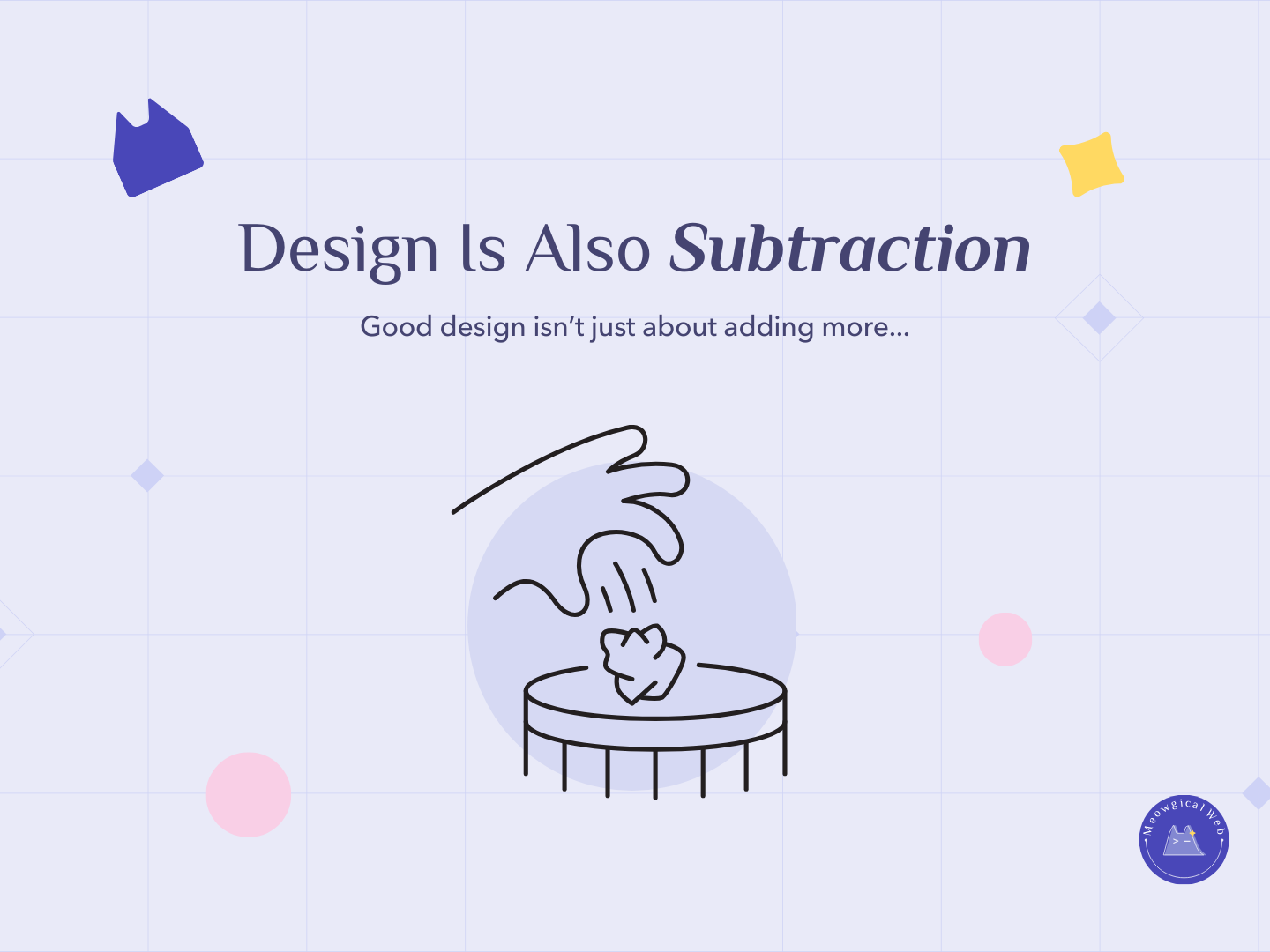
Good design recognizes what to leave out. Moreover, great design makes those choices invisible. Pet owners shouldn’t notice your restraint. Rather, they should simply find booking effortless. Then feel confident choosing your business.
Stop adding more sections. More features. More explanations. Instead, start asking what you can remove. Your booking calendar will thank you.