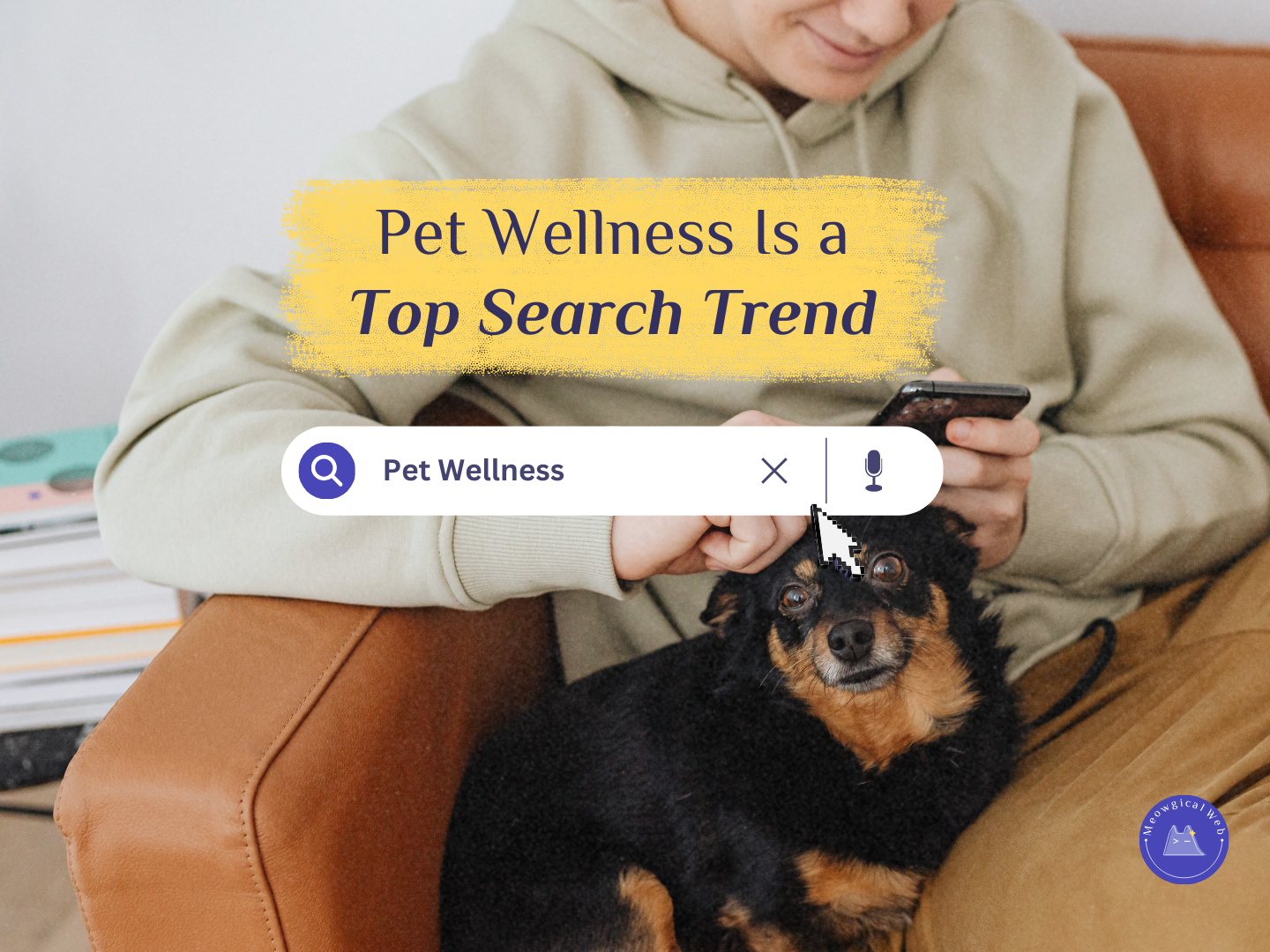
Pet wellness searches are growing fast in 2025. Because of this, pet parents now expect more from pet business websites. Before they book, they search for answers about food, dental care, anxiety, and aging pets.
Most pet parents are not ready to buy right away. Instead, they want to feel informed. They want to know that a business understands their pet’s needs. Therefore, education now plays a bigger role in trust.
When a website explains wellness topics clearly, people feel calmer. As a result, they stay longer. However, when wellness questions are missing, doubt appears. Even strong services can feel risky without guidance.
1. Why pet wellness searches are increasing
Pet parents care deeply about health. At the same time, they feel overwhelmed by advice online. Because of this, they look for brands that explain things simply.
They are not reading everything. Instead, they scan for help. For example, they look for clear tips, short answers, and familiar words. When they find them, trust starts to grow.
If you want to understand how clarity influence decision making, this blog explains it clearly: Why Revealing Your Care Steps Improves Client Confidence Faster
2. How wellness education builds trust without selling
Wellness content does not need to sell products. First, it should answer common questions. Next, it should explain why care choices matter. After that, it should guide readers gently.
Because the tone feels helpful, people relax. As a result, they trust the brand more. Over time, that trust turns into bookings.
We explain this approach in more detail in our internal guide on trust driven design:
👉 https://meowgicalweb.com/design-for-trust-in-pet-brands
3. Where wellness content fits best on a pet website
Wellness content works best in small doses. For example, a short FAQ can explain dental care. A blog post can cover senior pet needs. A service page can include one wellness tip.
Because the content feels easy to read, people keep scrolling. Consequently, they feel guided instead of pushed.
According to Nielsen Norman Group, informational clarity strongly affects perceived credibility:
Information Scent: How Users Decide Where to Go Next
Final Thought
Pet wellness education is not a trend. Instead, it reflects how deeply pet parents care about informed decisions. When websites answer wellness questions with clarity and empathy, trust forms before any booking button is clicked.
If your website currently focuses only on services and pricing, adding light wellness education can change how people perceive your brand.
If you want help shaping wellness content that feels calm, helpful, and aligned with your services, we can help you build it.
Let’s design something Meowgical together.
Book your free consultation →