Last week, a boarding facility contacted us about a redesign. They felt their site looked “outdated.” Everyone else was updating theirs. Therefore, they wanted to do the same.
We looked at their analytics first. Asked what problems they were trying to solve. Their site was getting good traffic. Booking conversion was solid. Load speed was fine. Additionally, mobile worked perfectly.
The real issue? They were comparing themselves to competitors. Feeling insecure about flashy new sites.
The Easy Money Trap
We could’ve easily said “Sure! Let’s redesign!” That would’ve been easy money. However, it felt wrong.
Instead, we told them the truth. “Your site is working. Maybe spend that budget elsewhere. Like your Google Business profile. Or email marketing. Things that actually need fixing.”
They seemed surprised. Then relieved.
Why Businesses Want Redesigns
Most redesign requests come from feeling, not data. Someone sees a competitor’s new site. Suddenly their own looks bad. Therefore, they want to update too.
Others get bored with their own site. They see it every day. Consequently, it feels stale. However, visitors see it fresh each time.
Some follow trends blindly. Everyone’s doing minimalist design now. Or bold colors. Or video backgrounds. Therefore, they want the same.
None of these are good reasons. Furthermore, they often lead to expensive changes that don’t improve results.
When Redesigns Actually Make Sense
Your site should change when data shows problems. Conversion rate is dropping. Bounce rate is rising. Mobile traffic leaves immediately. Additionally, load speed is slow.
Redesigns make sense when functionality breaks. Booking forms don’t work. Contact buttons fail on phones. Navigation confuses visitors. Therefore, user experience suffers. Related post: Why Warm, Honest Design Builds Powerful Trust for Pet Businesses
Changes are smart when your business evolves significantly. You add major new services. You change your target market. Your brand positioning shifts. Consequently, your site should reflect reality.
Updates help when technology becomes outdated. Your site isn’t mobile-responsive. It can’t handle current browsers. Security is compromised. Moreover, you can’t update content easily.
According to website redesign research, the average website redesign happens every 2-3 years. However, this should be based on need, not arbitrary timelines.
What to Do Instead
Check your analytics first. How’s your traffic? What’s your conversion rate? Where do people leave? Additionally, how long do they stay?
Ask recent clients about their experience. Did they find information easily? Was booking simple? Did anything frustrate them? Therefore, gather real user feedback.
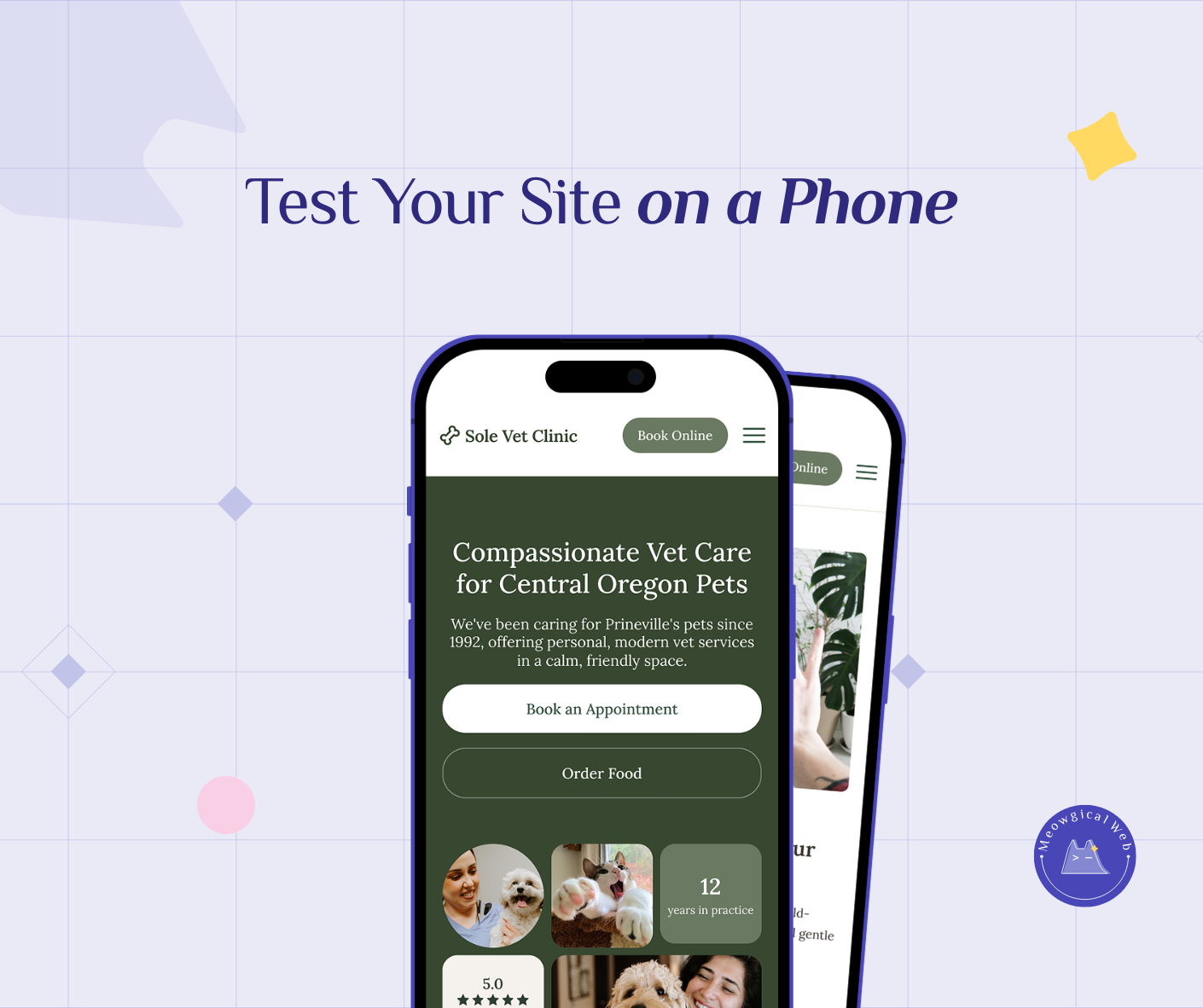
Test your site on different devices. Does everything work on phones? Tablets? Different browsers? Moreover, does it load quickly?
Compare your conversion rate to industry standards. Pet businesses typically convert 2-5% of visitors. If you’re in that range, your site works. Consequently, other improvements might help more.
The Honest Conversation
We want clients who trust us because we’re honest. Not because we tell them what they want to hear. Therefore, sometimes our advice is “wait.”
This approach costs us short-term revenue. However, it builds long-term relationships. Clients know we won’t push unnecessary services. Additionally, they trust our recommendations matter.
When we do suggest redesigns, clients listen. They know we’ve analyzed their data. We’ve identified real problems. Furthermore, we’re not just trying to make sales.
When Maintenance Beats Building
Not every season is for building. Some seasons are for maintaining what works. Therefore, focus energy where it actually helps.
Maybe your website is fine. Instead, work on your Google ranking. Or improve your review strategy. Perhaps build your email list. Additionally, these might drive better results.
Website maintenance often beats redesigns. Keep content fresh. Update photos regularly. Add new testimonials. Fix small issues promptly. Consequently, your site stays current without complete overhauls.
Making Smart Decisions
Look at your metrics honestly. Are visitors converting? Are you getting bookings? Is traffic growing? If yes, maintain rather than rebuild.
Identify your actual bottlenecks. Maybe people visit but don’t call. Perhaps they start booking but don’t finish. Possibly they can’t find key information. Therefore, fix specific problems, not everything.
Set clear goals before any changes. “I want to look modern” isn’t measurable. However, “increase booking conversion 20%” is concrete. Additionally, you can track whether changes work.
Start With What You Have
Review your analytics this week. Check your conversion rate. Look at bounce rate. Additionally, see where visitors leave.
Ask five recent clients about their booking experience. What worked? What didn’t? Therefore, gather real feedback.
Test your site on your phone. Does everything work? Is it easy to use? Can you book in under two minutes?
If everything works well, maintain it. Spend your budget on marketing instead. Consequently, drive more traffic to your working site.
Sometimes the hardest advice is “don’t change anything yet.” However, it’s often the right advice. Trust data over feelings. Fix real problems, not imagined ones.